


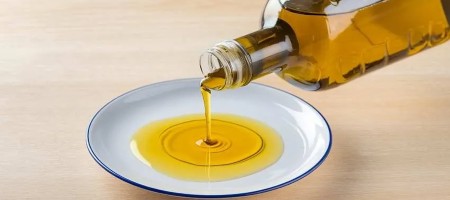
File photo
We all need some fats in our diet. It’s getting the right balance of the different types of fats that will help keep your cholesterol and triglyceride levels and your heart healthy.
Why do we need to eat some fats
*for energy
*to absorb some vitamins from food, these are the fat-soluble vitamins, A, D, E, and K
*for a healthy immune system
*for our brains to function.
*Types of fats
There are two main types of fat – saturated and unsaturated – and we need some of each. Eating a healthy balance of fats can help to lower your cholesterol levels.
Saturated fats
Too much saturated fat will raise your cholesterol. Cut down on foods high in saturated fat and replace them with foods higher in unsaturated fat.
Saturated fats are usually solid at room temperature. Most foods high in saturated fats come from animals, as well as coconut products. For example:
*dairy foods such as cream, cheese, full-fat milk,k and yoghurt
*butter and other solid fats such as ghee, lard, and hard margarine
*fatty and processed meats such as sausages and bacon
*coconut and palm oil.
Read all about saturated fats
Unsaturated fats
Unsaturated fats are more heart-healthy. There are different types of unsaturated fat known as monounsaturated and polyunsaturated fats, and they do different jobs in the body. It’s good to eat a range of foods so that you get both.
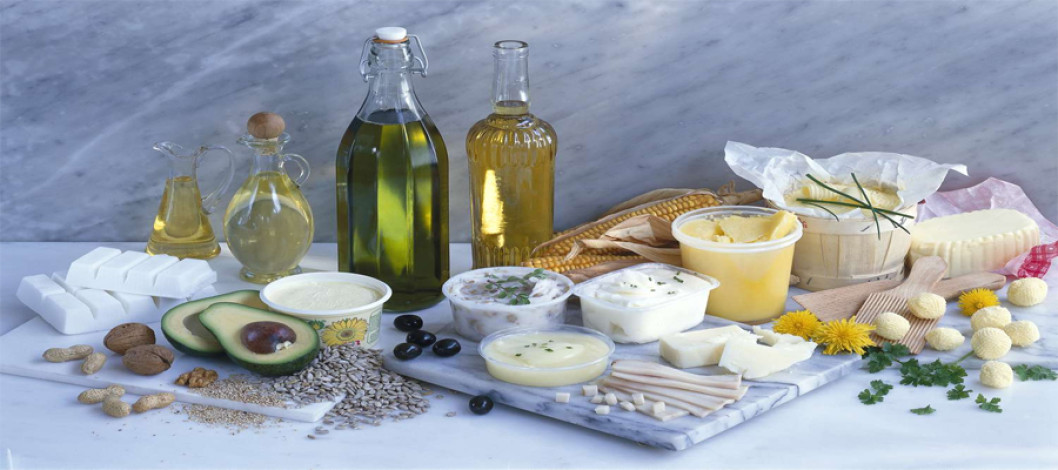
Unsaturated fats are found in plant foods and oily fish, and they are usually liquid at room temperature. They're found in:
*oils from vegetables, nuts, and seeds, such as sunflower, safflower, rapeseed, olive, peanut, walnut, and corn oil
*spreads based on these oils
*nuts and seeds
*avocado
*oily fish such as herring, pilchards, mackerel, salmon, and trout.
One type of unsaturated fat that is particularly good for you are omega 3 fats. These are the types found in oily fish. They're also found in flaxseed, linseed, and hemp, and foods that have been fortified with omega-3s. There are other types of unsaturated fats called omega-6 and omega-9s. Eating a variety of the foods above will help you to get enough of these.
Trans fats
Like saturated fats, trans fats are bad for our health. They raise LDL cholesterol and lower HDL (good) cholesterol.
Trans fats are made when unsaturated fats such as vegetable oils are heated to high temperatures during food processing. Most food companies have now stopped adding trans fats to the food they make, so most of us don’t eat a lot of trans fats.
Trans fats are sometimes present in pastries, cakes, biscuits, crackers, fried foods, takeaways, and hard margarines. Look out for the words 'partially hydrogenated fat' on the label, as they contain trans fats and avoid these as much as possible.
Some trans fats are present in dairy foods and red meats, but only in small amounts, and these are thought to be safe to eat.
How much fat should I eat?
Fats are very high in energy, so they can lead to weight gain. You need to keep an eye on how much you eat in total.
About a third of your energy should come from fat. That’s about 70g for a woman and 90g for a man per day.
Keep the amount of saturated fat you eat down by swapping foods high in saturated fats for foods that are higher in unsaturated fats or low in fat altogether. Don’t simply eat more unsaturated fats, as you could eat too much fat in total.
Check the labels on foods to see how much fat and saturated fat they contain. Some labels are colour-coded, which helps you to make a quick decision.
Source: Online/OFA






Comment Now